9246 4066
 MTM Physiotherapy
 reception@mtmphysio.com.au


-
 Open today from 07:00 AM to 7:00 PM
-
 9246 4066
-



3 Tips to Avoid Cycling Injuries 🚴♂️

At MTM Physiotherapy Duncraig, we frequently treat cyclists with issues such as:
-
Knee pain
-
Lower back pain
-
Neck and shoulder tension
-
Achilles or calf strain
-
Numbness in hands or feet
The good news is that many cycling injuries are preventable with the right preparation and technique. Here are three key tips to help reduce your risk of injury and keep you riding comfortably.
1. Make Sure Your Bike Fit Is Correct
One of the most common causes of cycling injuries is poor bike setup.
Even small adjustments to your saddle height, saddle position or handlebar reach can significantly affect how your body moves on the bike. When the bike is not properly fitted, it can place unnecessary stress on joints and muscles.
Common issues caused by poor bike fit include:
-
Saddle too low: Increased pressure on the knees and quadriceps
-
Saddle too high: Hip rocking and hamstring strain
-
Handlebars too far away: Excess strain on the neck, shoulders and lower back
-
Incorrect cleat position: Knee and foot discomfort
A proper bike fit helps ensure efficient pedalling mechanics and reduces unnecessary strain on your body.
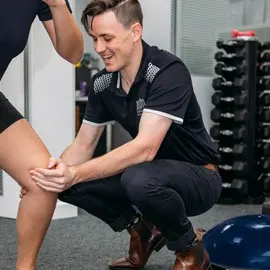
If you are experiencing pain while riding, a physiotherapy assessment can help identify whether biomechanics or bike setup may be contributing to your symptoms.
2. Progress Your Training Gradually
Another common cause of cycling injuries is doing too much, too quickly.
It can be tempting to increase distance, speed or training frequency rapidly — especially when motivation is high or when preparing for an event. However, the body needs time to adapt to increased training loads.
Rapid increases in training can lead to overuse injuries such as:
-
Patellar tendon pain
-
Iliotibial band irritation
-
Achilles tendinopathy
-
Hip or lower back strain
A good rule of thumb is to increase training load gradually, allowing adequate recovery between longer or more intense rides.
Tips to help manage training load include:
-
Increase distance or intensity slowly
-
Include rest days in your weekly schedule
-
Mix longer rides with shorter recovery rides
-
Pay attention to early warning signs such as tightness or persistent soreness
Listening to your body early can help prevent minor discomfort from becoming a more significant injury.
3. Include Strength and Mobility Training
Cycling primarily involves repetitive movements in a forward position. Over time, this can lead to tightness in some muscles and weakness in others.
Cyclists commonly develop tightness in the:
-
Hip flexors
-
Hamstrings
-
Calves
-
Chest and shoulders
At the same time, muscles such as the glutes, core and upper back may become underactive if they are not specifically trained.
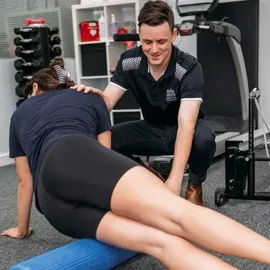
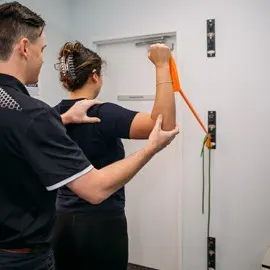
Incorporating strength and mobility exercises into your routine can help improve cycling performance and reduce injury risk.
Key areas to focus on include:
-
Glute strength for better power and knee control
-
Core stability to support the lower back
-
Hip mobility for smoother pedalling mechanics
-
Thoracic spine mobility to reduce neck and shoulder strain
Even short sessions of targeted exercises a few times per week can make a significant difference.
When to Seek Physiotherapy Advice
If you are experiencing pain during or after cycling, it is important not to ignore it. Early assessment can help identify the underlying cause and prevent symptoms from worsening.
At MTM Physiotherapy Duncraig, our physiotherapists can assess:
-
Cycling biomechanics
-
Muscle strength and flexibility
-
Joint mobility
-
Training load and recovery
From there, we can develop a personalised treatment and exercise plan to help you return to cycling comfortably.
Keep Riding Pain-Free
Cycling should be enjoyable and sustainable for the long term. By ensuring your bike is correctly fitted, progressing training gradually and supporting your body with strength and mobility work, you can significantly reduce your risk of injury.
If cycling pain is limiting your riding, the team at MTM Physiotherapy Duncraig is here to help.
Ask a Physio
Not sure whether you are appropriate for Physiotherapy?
Fill out the form and one of our physiotherapists will be in touch with you within 24 hours.