9246 4066
 MTM Physiotherapy
 reception@mtmphysio.com.au


-
 Open today from 07:00 AM to 7:00 PM
-
 9246 4066
-



5 Tips to Avoid Stitches When Running

A stitch, medically known as exercise-related transient abdominal pain (ETAP), is a sharp or cramping pain typically felt on the side of the abdomen during physical activity. While it’s very common, especially in running-based sports, it can interrupt training and reduce performance.
The good news is that there are several simple strategies that can significantly reduce the likelihood of getting a stitch.
Below are five practical tips from the team at MTM Physiotherapy Duncraig to help keep you moving comfortably.
1. Avoid Eating Large Meals Before Exercise
One of the most common triggers for stitches is eating too close to exercise.
Large meals — particularly those high in fat, sugar or fibre — can increase the likelihood of abdominal discomfort during running or high-impact sports.
General guidelines include:
• Allow 2–3 hours after a large meal before running
• If you need a snack beforehand, choose something light
• Avoid sugary drinks immediately before activity
This allows the digestive system to settle before placing additional stress on the abdomen during exercise.
2. Focus on Breathing Technique
Shallow breathing places increased stress on the diaphragm, which is believed to be one of the contributors to side stitches.
Practising deep diaphragmatic breathing during exercise can help reduce strain on the muscles involved in breathing.
Try to:
• Breathe deeply into your stomach rather than your chest
• Maintain a steady breathing rhythm while running
• Exhale fully to allow the diaphragm to relax
Many runners find that syncing breathing with their running cadence can help reduce discomfort.
3. Strengthen Your Core
A weak or fatigued core can place extra strain on the torso during running, which may contribute to stitches.
Improving core stability and control can help support the spine and abdominal structures while exercising.
Effective exercises include:
• Planks
• Side planks
• Dead bugs
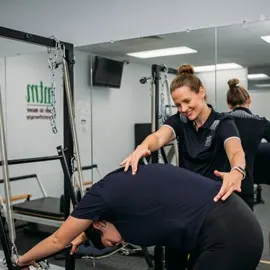
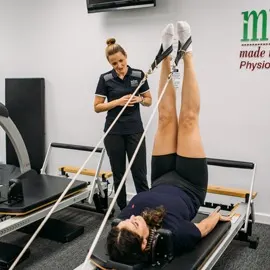
• Pilates-based core strengthening
A physiotherapist can guide you through exercises tailored to your sport or activity level.
4. Improve Your Posture While Running
Slouched or rounded posture can compress the abdominal region and increase tension around the diaphragm.
Maintaining good running posture may reduce the likelihood of stitches.
Aim to:
• Keep your chest open and upright
• Relax your shoulders
• Avoid leaning too far forward from the waist
A physiotherapy running assessment can help identify posture or technique issues that may contribute to recurring discomfort.
5. Warm Up Properly
Jumping straight into high-intensity exercise can place sudden strain on the respiratory and abdominal muscles.
A gradual warm-up prepares the body for activity and may reduce the chance of developing a stitch.
A good warm-up might include:
• 5–10 minutes of light jogging or brisk walking
• Gentle dynamic stretches
• Gradually increasing pace rather than sprinting immediately
What to Do If You Get a Stitch
If a stitch does occur during exercise, you may find relief by:
• Slowing your pace or stopping briefly
• Applying gentle pressure to the painful area
• Taking slow, deep breaths
• Stretching the torso slightly away from the affected side
Most stitches resolve within a few minutes once activity intensity is reduced.
When to Seek Advice
If you frequently experience stitches that interfere with your training or performance, it may indicate underlying issues such as:
• Poor breathing mechanics
• Reduced core stability
• Running technique or posture issues
A physiotherapy assessment can help identify contributing factors and provide targeted strategies to help prevent recurrence.
Need Support With Running or Sports Injuries?
The team at MTM Physiotherapy Duncraig works with runners, athletes and active individuals to optimise movement, prevent injury and improve performance.
If stitches or other discomfort are affecting your exercise routine, we’re here to help.
Book an appointment with our experienced physiotherapy team today.
Ask a Physio
Not sure whether you are appropriate for Physiotherapy?
Fill out the form and one of our physiotherapists will be in touch with you within 24 hours.