9246 4066
 MTM Physiotherapy
 reception@mtmphysio.com.au


-
 Open today from 08:00 AM to 2:00 PM
-
 9246 4066
-



Neck Pain and Headaches: The Link You Might Be Missing

How Your Neck Can Cause Headaches
Headaches that originate from the neck are known as cervicogenic headaches. They happen when the joints, muscles and nerves of the upper neck become irritated or stiff, and refer pain up into the head.
This type of headache often feels like:
- Pain that starts at the base of the skull or in the neck and spreads to the forehead, temple or behind the eyes
- A dull, aching pain (rather than throbbing) usually on one side
- Headaches that worsen with certain neck movements or sustained postures
- Neck stiffness or reduced movement alongside the headache
- Tenderness around the neck and shoulders
Tension-type headaches are also strongly linked to tight neck and shoulder muscles, which is why desk workers and anyone under stress are so prone to them.
What Causes Neck-Related Headaches?
A few common culprits tend to drive neck pain and the headaches that come with it:
- Posture — long hours at a desk, hunching over a laptop, or looking down at a phone ("tech neck")
- Prolonged sitting without breaks or movement
- Stress and muscle tension, which we often carry in the neck and shoulders
- Poor sleeping positions or an unsupportive pillow
- Reduced neck mobility and stiff upper-spine joints
- Previous neck injuries, including whiplash
Often it's a combination — for example, a desk setup that encourages slouching, plus stress, plus not moving enough through the day.
How Physiotherapy Helps Neck Pain and Headaches
The encouraging news is that cervicogenic and tension-type headaches often respond well to physiotherapy, because we can treat the neck issues driving them — rather than just managing the symptoms with pain relief.
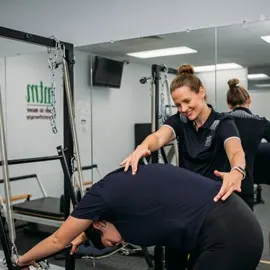
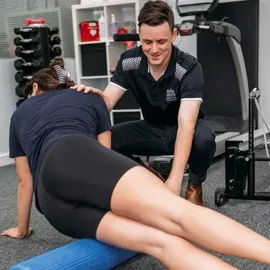
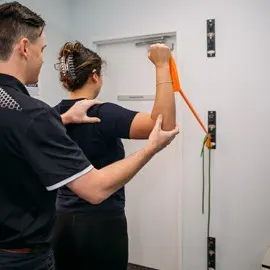
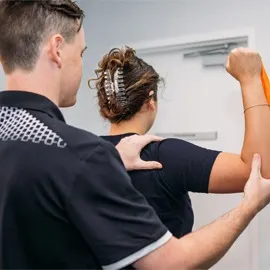
At MTM Physiotherapy Duncraig, we'll assess your neck, posture and movement to work out what's contributing, then build a plan that may include:
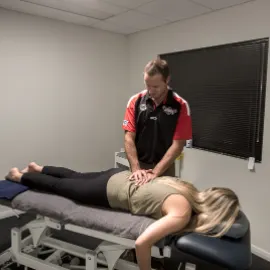
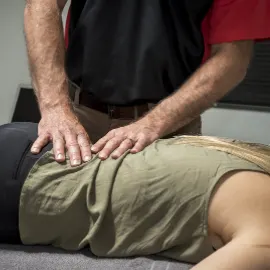
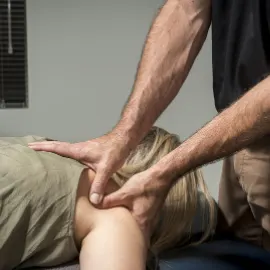
- Hands-on treatment to ease stiffness and release tight muscles
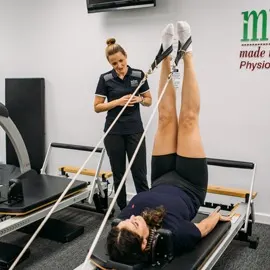
- Targeted exercises to improve neck mobility and strength
- Posture and ergonomic advice for your desk, screen and daily habits
- Strategies to manage tension and reduce how often headaches strike
The goal is both to settle the current pain and to reduce how often these headaches come back.
What You Can Do at Home
Alongside treatment, small changes can make a real difference:
- Check your desk setup — screen at eye level, shoulders relaxed, feet supported
- Take movement breaks — stand, stretch and move your neck gently every 30–60 minutes
- Watch your phone posture — bring the screen up rather than dropping your head down
- Stay active — regular movement helps release tension
- Review your pillow — it should support your neck in a neutral position
If your headaches are frequent, persistent or getting in the way of daily life, it's worth having your neck assessed.
When to Seek Further Advice
Most neck-related headaches are not serious and respond well to treatment. However, please seek prompt medical attention if you experience a headache that:
- Comes on suddenly and severely ("worst headache of your life")
- Follows a head injury
- Is accompanied by fever, neck rigidity, vision changes, slurred speech, weakness or numbness
- Is different from your usual headaches, or progressively worsening
If you're ever unsure, it's always safest to check with a medical professional.
Frequently Asked Questions
Can neck problems really cause headaches? Yes. Headaches that stem from the neck are called cervicogenic headaches, and tension-type headaches are also closely linked to tight neck and shoulder muscles.
How do I know if my headache is coming from my neck? Neck-related headaches often come with neck stiffness, start at the base of the skull, affect one side, and worsen with certain neck positions. A physio assessment can help identify the source.
Can a physio help with headaches? Physiotherapists can assess and treat the neck-related causes of many headaches. For cervicogenic and tension-type headaches in particular, treating the neck often helps reduce their frequency and intensity.
Do I need a referral to see a physio for neck pain? No. You can book directly with a physiotherapist without a referral.
Get to the Source of Your Headaches
If neck pain and headaches are a regular part of your week, you don't have to just push through them. Our team can assess what's driving them and build a plan to help you feel better.
📞 Call us on 9246 4066 or book online to see our physio team at MTM Duncraig. You can also learn more about how we treat neck pain here.
This information is general in nature and is not a substitute for individual medical advice. If you're concerned about your symptoms, please seek advice from a health professional.
Ask a Physio
Not sure whether you are appropriate for Physiotherapy?
Fill out the form and one of our physiotherapists will be in touch with you within 24 hours.